
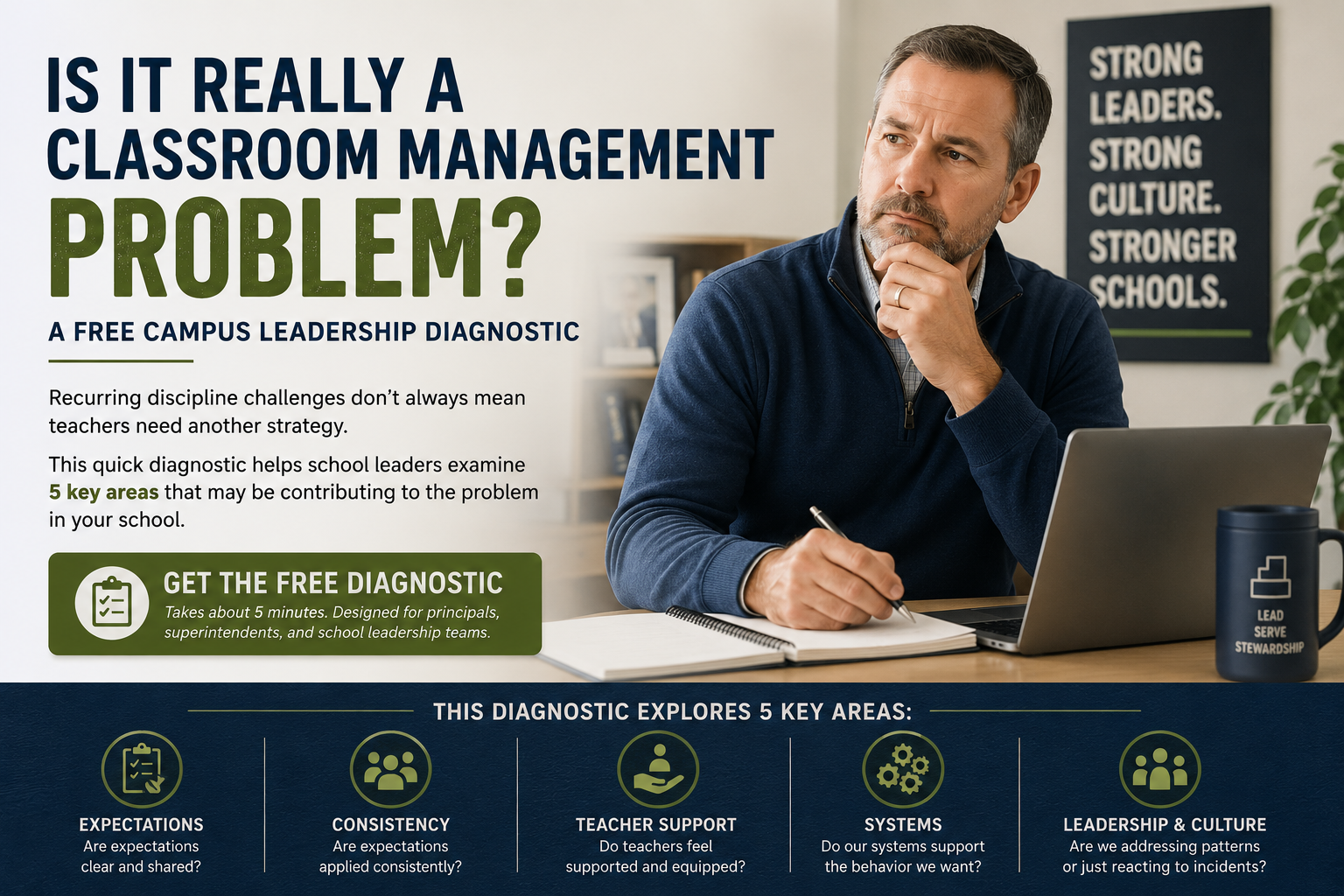
What if your discipline problem isn't really a discipline problem?
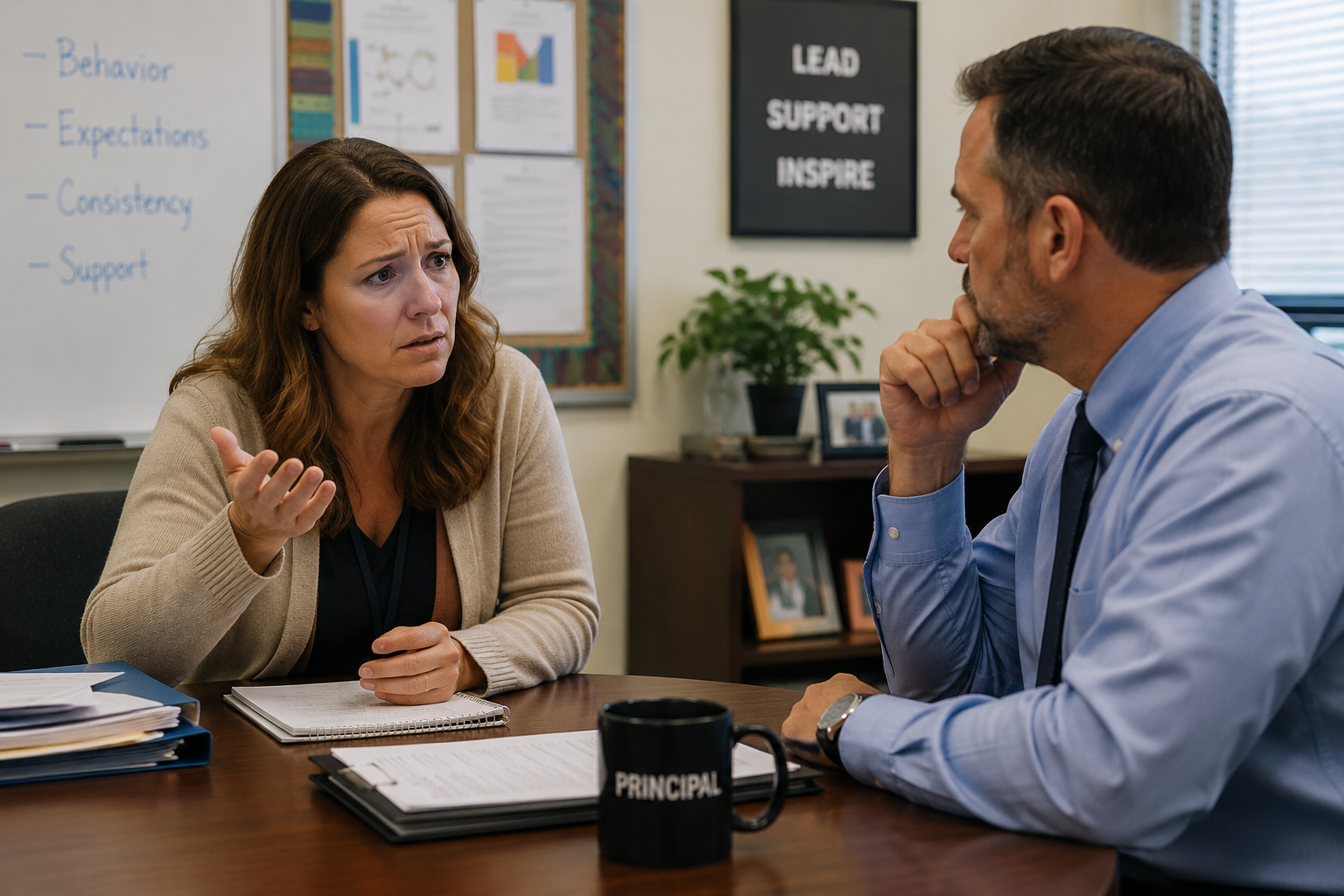
When discipline problems keep coming back, teachers remain frustrated, and expectations vary from classroom to classroom, another training may not be the answer.
WEBB helps school leaders identify the leadership, culture, systems, and consistency issues underneath recurring campus problems—and build the conditions for lasting change.
Does this sound familiar?
Recurring referrals
Teacher frustration
Inconsistent classroom expectations
Lost instructional time
Uneven administrative responses
Initiatives that don't stick
Staff resistance
Leadership teams repeatedly addressing the same issues
WEBB'S POINT OF VIEW
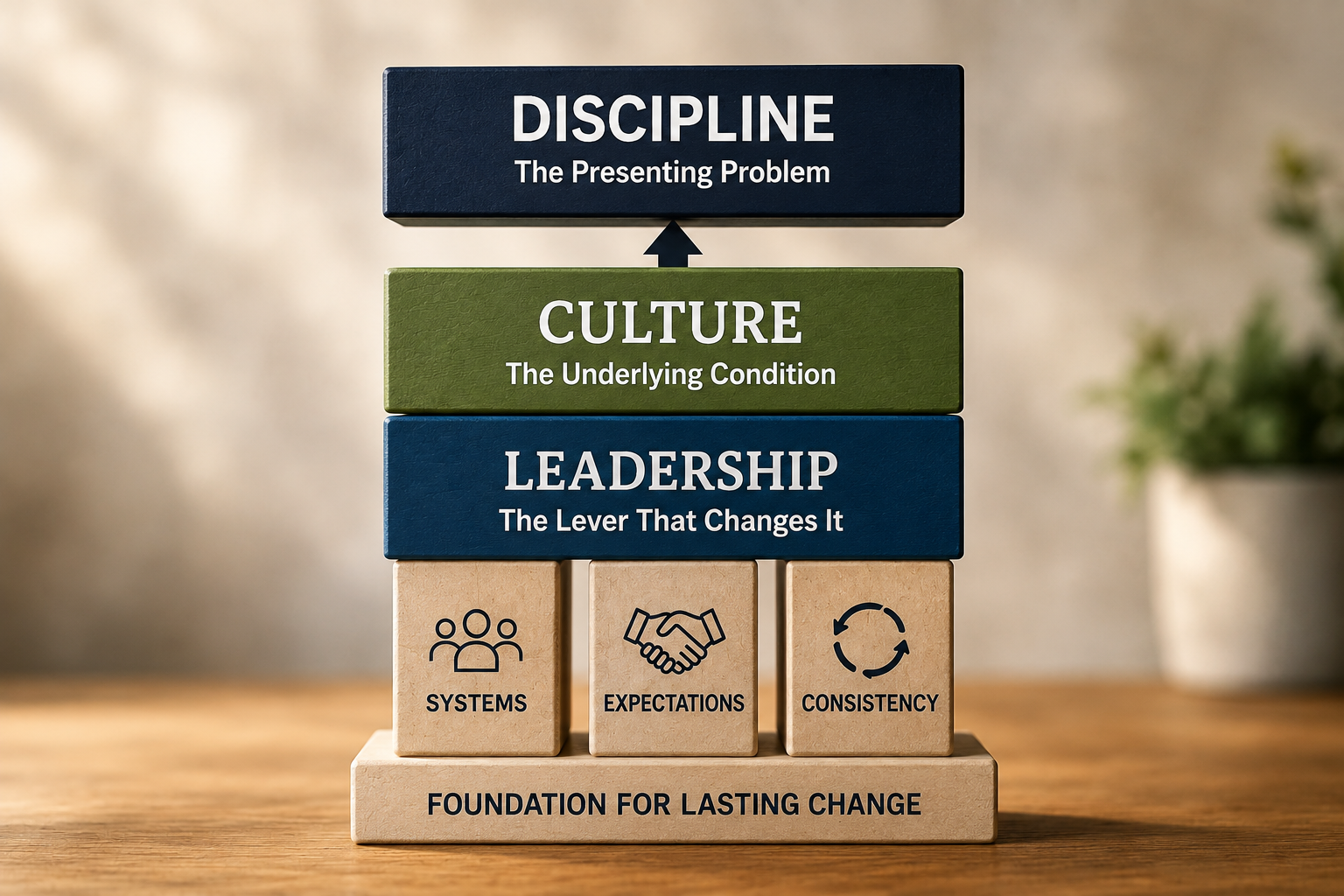
The Problem Underneath the Problem
Discipline is the presenting problem.
Culture is often the underlying condition.
Leadership is the lever that changes it.
Sometimes teachers need additional classroom-management skills.
But when problems persist across classrooms, teams, administrators or school years, another training may be treating the symptom rather than the condition.
That's where WEBB begins to look beneath the surface.
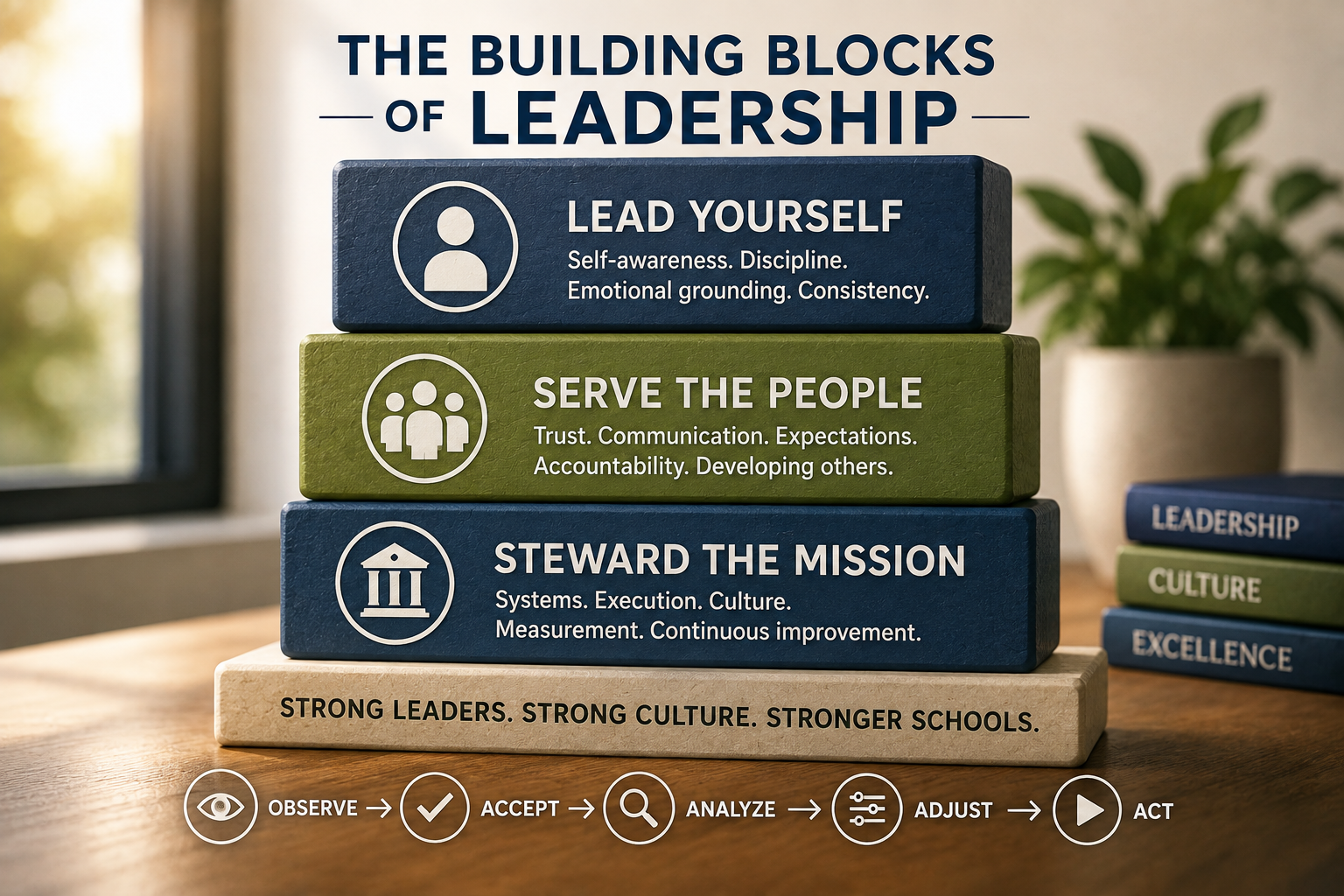
The Building Blocks of Leadership
LEAD YOURSELF
Self-awareness, discipline, emotional grounding, ownership, and consistency.
SERVE THE PEOPLE
Trust, communication, expectations, accountability, and developing others.
STEWARD THE MISSION
Systems, execution, culture, measurement, and continuous improvement.
Observe → Accept → Analyze → Adjust → Act
Expected
Outcomes
Greater consistency — adults understand and reinforce expectations more consistently.
Stronger teacher confidence — teachers have practical tools and know leadership supports appropriate expectations.
Leadership alignment — administrators respond to recurring problems through clearer systems rather than individual improvisation.
More instructional stability — less unnecessary disruption and leadership time consumed by preventable recurring issues.
Stronger implementation — expectations and initiatives become daily practice instead of disappearing after the PD session.

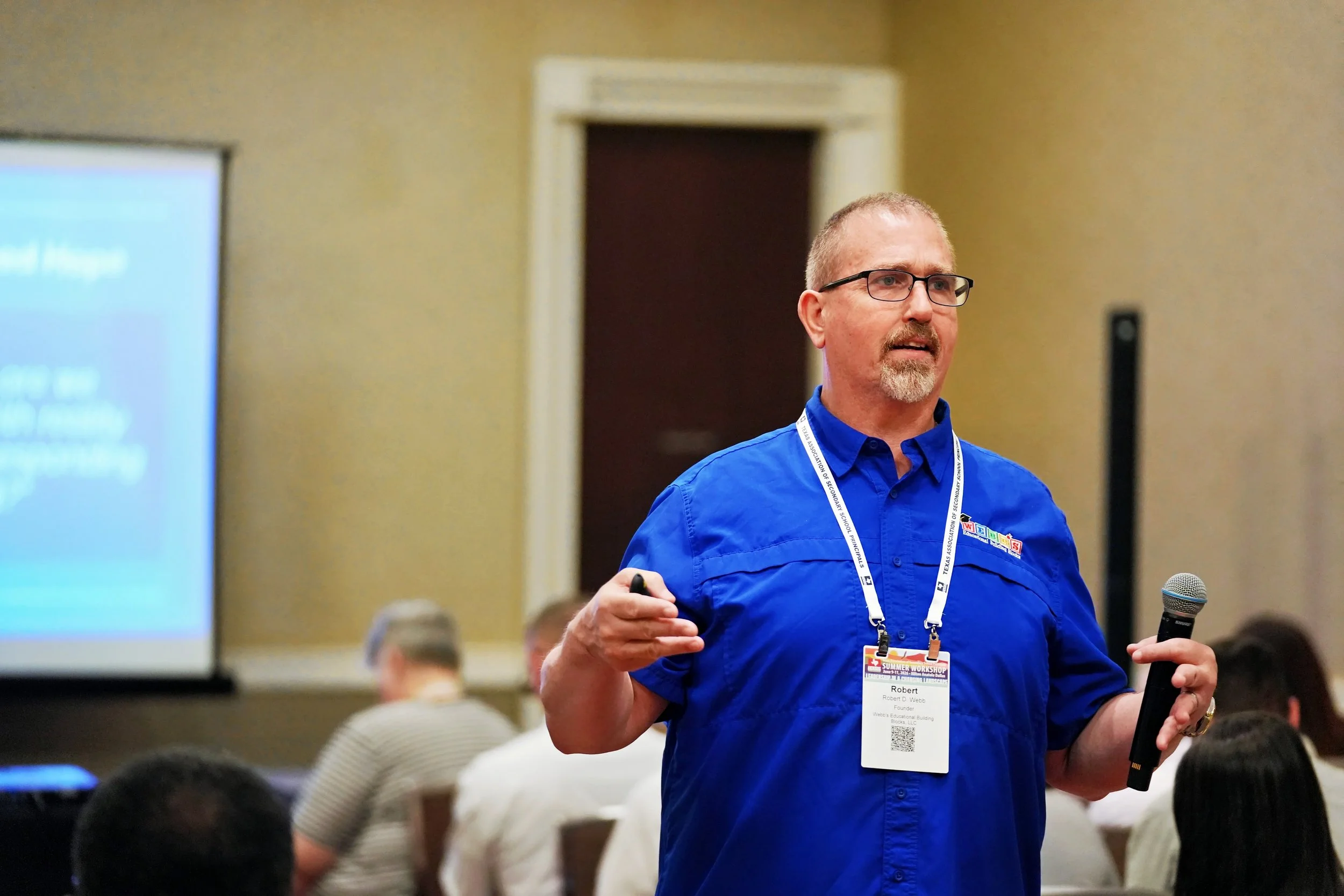
For nearly three decades, I've served public schools as a teacher, principal, district leader, and executive administrator. I've worked alongside teachers in classrooms, led campuses through difficult challenges, and served at the district level where campus problems become system-wide priorities.
I've also sat in the principal's chair when the referrals keep coming, teachers are frustrated, expectations aren't being applied consistently, and everyone is looking to leadership for an answer.
Those experiences taught me an important lesson:
The problem you see isn't always the problem you need to solve.
What looks like a classroom-management problem may actually reveal gaps in expectations, systems, consistency, culture, or leadership. And another program or one-day training won't create lasting change if those underlying conditions remain unaddressed.
That's why I founded WEBB's Educational Building Blocks, LLC.
Today, I help school leaders look beneath recurring campus problems, identify what's really getting in the way, and build the leadership and organizational conditions necessary for sustainable improvement.
My approach is grounded in The Building Blocks of Leadership: Lead Yourself. Serve the People. Steward the Mission. It combines nearly 30 years of practical education leadership with leadership development, Maxwell Leadership and Maxwell DISC certification, and a belief that meaningful change requires more than good ideas—it requires consistent implementation.
I understand the pressure school leaders carry because I've carried it.
My goal isn't to arrive with another program for your staff to endure. It's to listen, understand what's happening in your school, and help you determine what needs to change so your teachers can teach, your students can learn, and your leaders can lead with greater clarity and consistency.
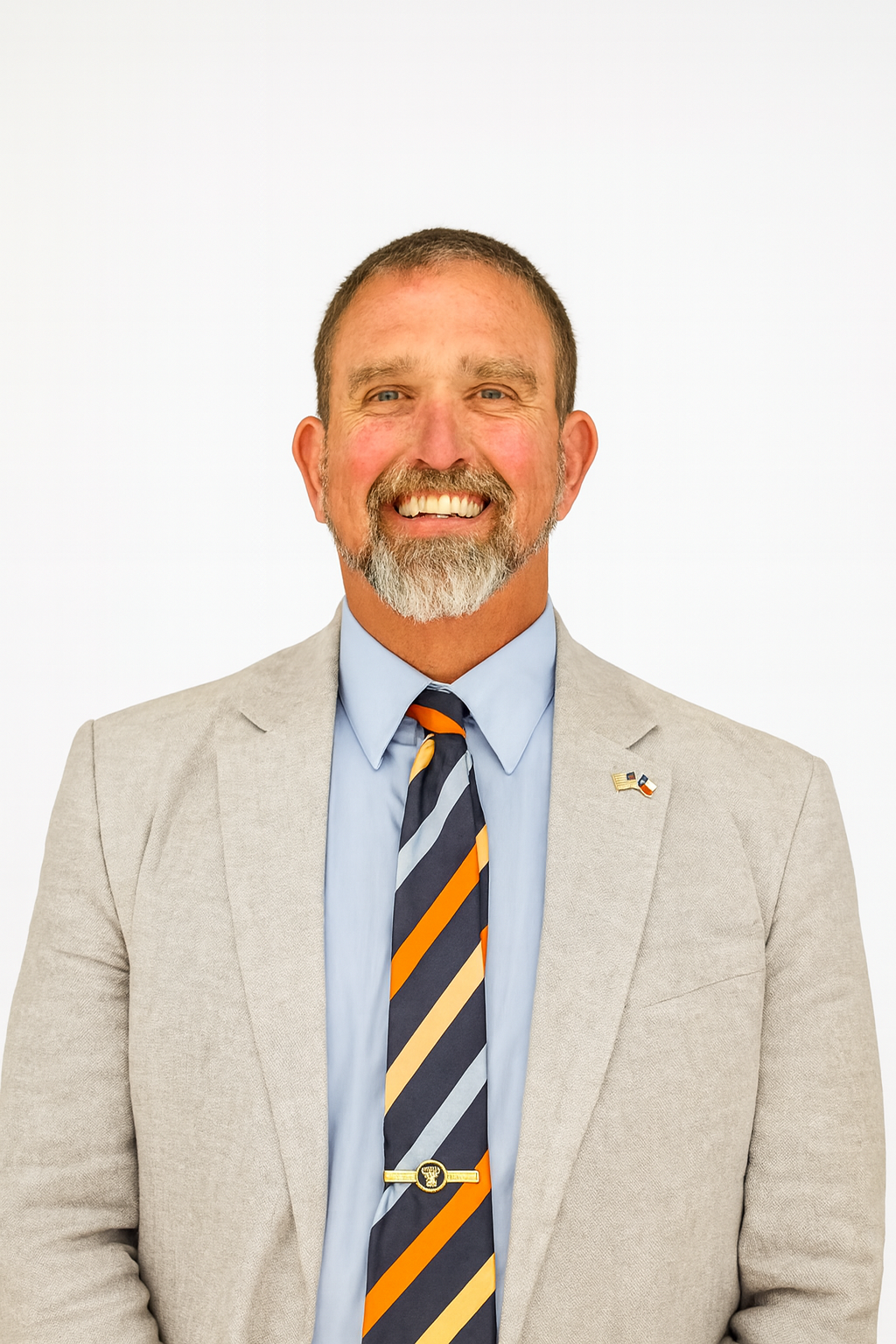
Robert D. Webb, M.Ed.
Founder & Principal Consultant
WEBB's Educational Building Blocks, LLC
How We Can Work Together:
Not every school Challenge requires the same solution. Whether your campus needs practical support for teachers, greater leadership alignment, or help addressing deeper culture and consistency issues, WEBB meets you where the problem is and helps determine the next building block needed for lasting change.
The Building Blocks of Classroom Leadership based on the Do’s and Don’ts of Discipline by Dennis Mitchell
.The Building Blocks of Classroom Leadership
Calmer responses. Clearer expectations. Stronger classroom leadership.
When behavior repeatedly interrupts learning, teachers need practical tools they can use with confidence. Principals need a shared approach they can recognize, support, and reinforce.
The Building Blocks of Classroom Leadership combines a full-day workshop with follow-up classroom observation and coaching to help schools move from learning the practices to using them consistently.
Adapted by Robert Webb from Dennis Mitchell’s Do’s and Don’ts of Discipline, the program organizes practical classroom strategies around three Building Blocks:
Lead Yourself. Serve the People. Steward the Mission.
What teachers gain from the training
By the end of the full-day workshop, teachers will be able to:
Lead Yourself
Recognize their own responses under pressure and demonstrate calm, purposeful redirection using tone, posture, concise language, and appropriate nonverbal cues.
Serve the People
Use practical relationship-building strategies and correct behavior in ways that preserve student dignity while maintaining accountability.
Steward the Mission
Develop clear expectations, teach and rehearse classroom routines, and maintain consistent follow-through to protect instructional time.
Each teacher leaves with a classroom leadership action plan: one adult response to practice, one routine to teach or reteach, and one relationship-building action.
Follow-up support: Put the learning into practice
Follow-up days connect the workshop to the realities of your classrooms through brief observations, practical feedback, and coaching for administrators.
Before each visit, administrators identify teachers who would benefit from refinement or reinforcement. Robert conducts 5–10-minute observations in those classrooms, as well as in the classroom next door and the one across the hall. Including neighboring classrooms helps normalize the support so identified teachers do not feel isolated or singled out.
Robert visits as many classrooms as the schedule and available time allow, reserving time for teacher feedback and administrator discussion.
Whenever possible, an administrator accompanies Robert to learn what to notice, how to interpret classroom evidence, and how to turn observations into useful feedback.
Follow-up Day 1: Establish implementation
Identify where the trained practices are taking hold and where additional support is needed.
Teachers receiving feedback: Recognize strengths and identify a specific practice to reinforce or refine.
Administrators: Learn to recognize the trained practices and identify classroom needs alongside Robert.
Takeaway: Focused teacher next steps and a summary of campus implementation priorities.
Follow-up Day 2: Refine practice
Review implementation and work through challenges that persist.
Teachers receiving feedback: Assess previous adjustments and strengthen routines, responses, or follow-through.
Administrators: Practice interpreting classroom evidence and developing specific coaching feedback.
Takeaway: Updated teacher action steps and leadership adjustments to support greater consistency.
Follow-up Day 3: Sustain the work
Review progress, identify remaining needs, and prepare campus leaders to continue the coaching.
Teachers receiving feedback: Identify effective practices to maintain and next steps for continued improvement.
Administrators: Use shared observation criteria to plan continued feedback, reinforcement, and support.
Takeaway: A campus continuation plan with priorities, responsible people, and review dates.
Visits are spaced to allow implementation between sessions. Each day’s focus is adjusted to the needs identified by administrators and classroom observations.
What your campus is working toward
More consistent classroom expectations and adult responses.
Greater teacher confidence grounded in practiced skills.
Respectful relationships paired with clear accountability.
Better alignment between classroom practices and administrative support.
More instructional time protected by effective routines and purposeful responses.
The workshop builds skills. Follow-up coaching strengthens implementation. Administrator participation helps sustain the work.
Introductory investment
Full-day training: $3,500
Follow-up observation and coaching: $3,000 per day
Minimum of three follow-up days per campus.
Training plus three follow-up days: $12,500, plus travel and meals.
Your proposal outlines the schedule, observation priorities, feedback arrangements, and scope of support.
Talk Through Your Campus Needs
Let’s discuss what teachers are experiencing, what keeps interrupting learning, and how classroom training and follow-up support can help.
Email Robert
(325) 977-8676
Be the Example. Lead the Standard. Change the Culture.
Start With What Your School Needs
Not every school Challenge requires the same solution. Whether the need begins in the classroom, with the leadership team, or across the organization, WEBB helps identify what's happening and determine the right next step.
Campus Leadership & Culture Support
Addressing the Problems Underneath the Problem
When discipline concerns keep returning, teachers remain frustrated, expectations are inconsistent, or initiatives don't stick, the problem may be deeper than individual classroom practice.
WEBB works alongside school leaders to identify gaps in leadership, culture, systems, expectations, and consistency—and build a practical path toward sustainable improvement.
Best fit when: Your leadership team keeps addressing the same problems without seeing lasting change.
The Building Blocks of Leadership
Lead Yourself. Serve the People. Steward the Mission.
Leadership development should change more than what leaders know. It should influence how they lead themselves, serve their people, and steward the mission entrusted to them.
The Building Blocks of Leadership provides a practical framework for strengthening self-leadership, trust, communication, accountability, culture, systems, and execution.
Best fit when: You want to develop stronger, more consistent leaders across your campus, district, or organization.
Speaking & Workshops
Practical Leadership Development for Schools and Organizations
WEBB provides keynotes, conference sessions, workshops, and leadership retreats that combine practical experience, engaging stories, and actionable leadership principles.
Programs can be customized around leadership, culture, discipline, accountability, communication, change, and organizational consistency.
Best fit when you need an engaging learning experience for staff, a leadership team, a conference, or an organization.
Building Blocks of Communication
A DISC Leadership & Team Development Workshop
Understand Yourself. Connect With Others. Strengthen the Team.
Better Communication Builds Stronger Organizations.
Have you ever wondered why some team members communicate effortlessly while others seem to misunderstand each other at every turn?
Why does one employee want all the details before making a decision, while another wants to move immediately into action?
Why do some conversations build trust while others create unnecessary tension?
Different people communicate differently. Effective leaders learn how to bridge those differences.
At WEBB's Educational Building Blocks, we help organizations turn communication differences into opportunities for stronger relationships, greater collaboration, and more effective leadership.
Our interactive Building Blocks of Communication workshop uses the DISC behavioral model to help participants better understand themselves, communicate more effectively with others, and strengthen the teams they serve.
Is Your Organization Experiencing These Challenges?
Communication breakdowns between employees, departments, or leadership teams
Workplace misunderstandings that create frustration or unnecessary conflict
Leaders struggling to connect with employees who approach work differently
Team members who have difficulty giving or receiving feedback
Inconsistent collaboration, accountability, or follow-through
Strong individual performers who struggle to work effectively together
The problem may not be a lack of commitment. It may be a lack of understanding.
When people understand how behavioral and communication preferences influence their interactions, they can begin working together more intentionally.
The Three Building Blocks of Communication
1. Lead Yourself
Understand your own communication style.
Effective communication begins with self-awareness.
Participants explore their DISC behavioral tendencies, communication preferences, strengths, potential blind spots, and responses under pressure.
Key question: How does the way I communicate affect the people around me?
2. Serve the People
Learn to connect with people who communicate differently.
Strong teams do not require everyone to think or communicate alike. They require people who are willing to understand and adapt to one another.
Participants learn to recognize different communication preferences, reduce misunderstandings, and approach difficult conversations with greater awareness.
Key question: Am I communicating in a way that helps the other person understand and succeed?
3. Steward the Mission
Turn individual understanding into team performance.
Communication is not simply a personal skill. It is an organizational responsibility.
Participants explore how communication affects collaboration, trust, feedback, accountability, and the consistent execution of organizational goals.
Key question: Are our communication habits helping or hindering the mission?
What Participants Will Take Away
By the end of the workshop, participants will have opportunities to:
Identify their own DISC behavioral style and communication preferences.
Recognize common differences in how people approach tasks, relationships, decisions, and change.
Practice adapting communication to improve understanding and collaboration.
Identify behaviors that may contribute to unnecessary workplace conflict.
Develop practical strategies for strengthening feedback and working relationships.
Create a personal action plan for applying what they have learned.
The goal isn't to change who people are. It's to help them communicate and work together more effectively.
Workshop Experiences
Essential Workshop
A focused introduction to DISC and effective workplace communication.
A two-hour interactive experience introducing DISC behavioral styles, self-awareness, and practical strategies for communicating across differences.
Ideal for leadership meetings, professional development sessions, and teams beginning their DISC journey.
Signature Workshop
Our featured four-hour team development experience.
An immersive workshop that moves beyond identifying behavioral styles to practicing communication, examining team dynamics, and developing practical strategies for stronger collaboration.
Designed for leadership teams, departments, schools, businesses, and organizations seeking meaningful professional development.
Includes facilitated discussion, interactive activities, team applications, and individual action planning.
Signature Workshop Investment: Starting at $7,500 for up to 30 participants.
DISC assessment costs and any additional participant fees will be confirmed in the proposal. Travel expenses, when applicable, are quoted separately.
Organizational Partnership
Extend the learning beyond a single workshop.
For organizations seeking continued improvement, we offer customized follow-up support designed to help leaders reinforce communication practices, strengthen team relationships, and translate workshop insights into daily operations.
Contact us to discuss your organization's goals and a customized engagement.
Who Is This Workshop For?
Building Blocks of Communication can be customized for:
Business owners, executives, and managers
Sales and customer service teams
Human resources professionals
School administrators and educators
Nonprofit and community organizations
Teams navigating growth, change, or communication challenges
Whether your organization serves customers, students, employees, or the community, effective communication is foundational to stronger leadership and healthier organizational culture.
Meet Your Facilitator
Robert D. Webb, M.Ed.
Founder & Principal Consultant
WEBB's Educational Building Blocks, LLC
Robert Webb brings nearly three decades of experience in education and organizational leadership, including more than two decades in administrative roles.
A member of the Maxwell Leadership Certified Team with DISC training, Robert combines behavioral insights with practical leadership experience to help individuals and organizations strengthen communication, develop people, and build healthier cultures.
His approach is grounded in three leadership responsibilities:
Lead Yourself. Serve the People. Steward the Mission.
Ready to Build a Stronger Team?
Your organization doesn't need everyone to communicate the same way.
It needs people who understand how to communicate and work together effectively.
Let's explore how Building Blocks of Communication can help your team reduce misunderstandings, strengthen relationships, and improve collaboration.
REQUEST A WORKSHOP CONSULTATION
Visit www.webbblocks.com to connect with WEBB's Educational Building Blocks.
Building Better Leaders, One Block at a Time.
Be the Example. Lead the Standard. Change the Culture.
Not Sure Where to Start?
You don't need to diagnose the problem before we talk. That's part of the work we'll do together.
Talk Through Your Campus Challenges
Contact Us
Interested in working together? Fill out some info and we will be in touch shortly. We can’t wait to hear from you!